
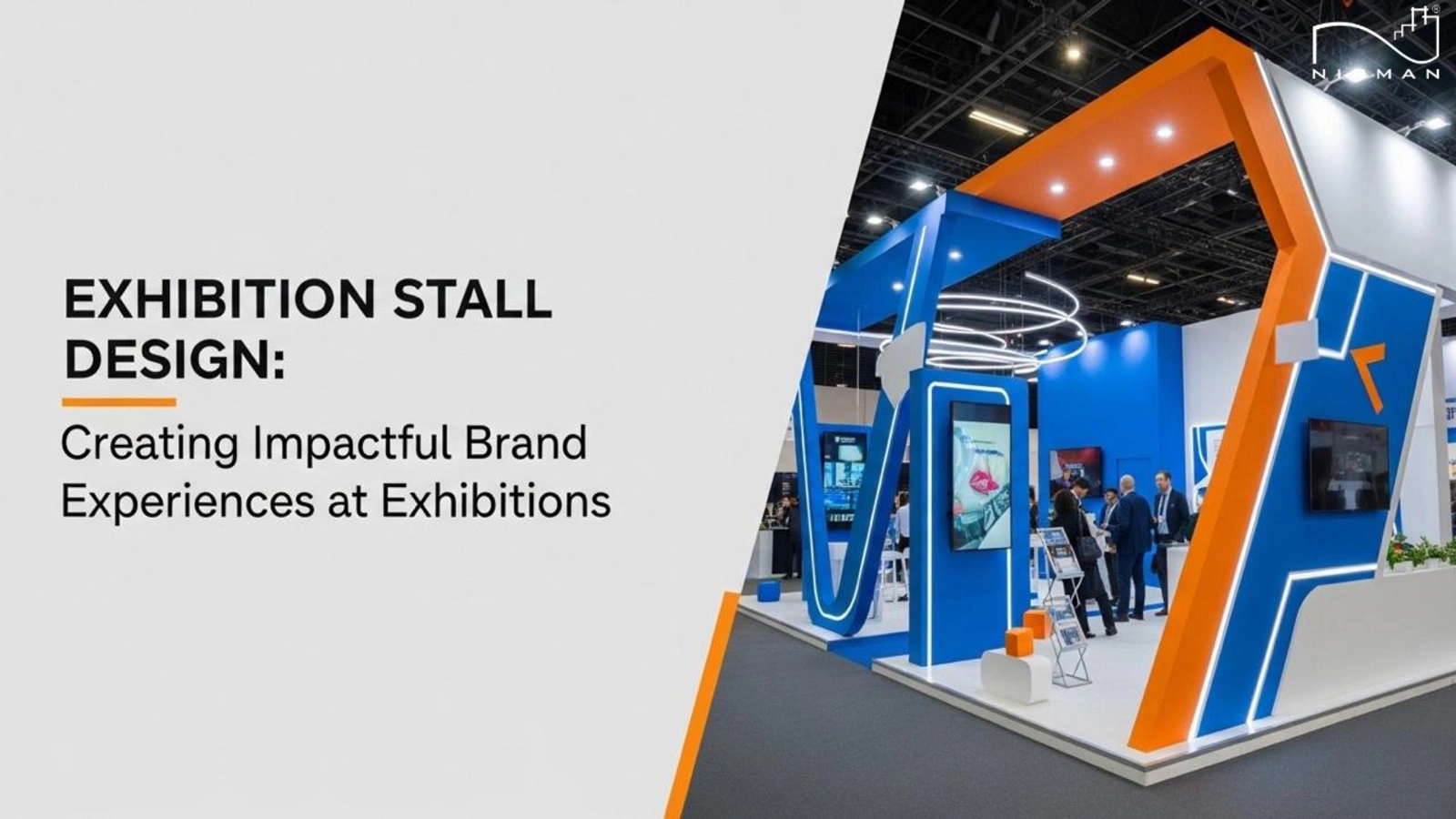
Exhibition stall design plays a vital role in helping brands attract attention and engage visitors at trade shows and expos. It involves strategically planning the visual and functional layout of a booth so that it reflects brand identity, communicates key messages clearly, and encourages meaningful interaction. In crowded exhibition environments, a well-designed stall can significantly enhance brand visibility, improve visitor engagement, and support lead generation. With the expertise of Future Nirman, businesses can create thoughtfully designed exhibition spaces that leave a strong and lasting impression on their target audience.
The Role of Exhibition Stall Design in Brand Communication
Exhibition stall design serves as a powerful visual communication tool that expresses a brand’s identity, values, and professionalism without relying heavily on verbal interaction. Elements such as colors, typography, graphics, and layout work together to create a consistent brand image that strengthens recognition and trust among visitors. A well-organized and visually appealing stall reflects credibility and attention to detail, while a poorly designed one can negatively affect brand perception. Effective exhibition stall design also ensures that the main brand message is visible from a distance and that the internal layout smoothly guides visitors through product displays, demo areas, and meeting zones, enhancing comfort and encouraging deeper engagement.
Understanding the Objectives Behind Exhibition Stall Design
Understanding the objectives of participating in an exhibition is the foundation of effective exhibition stall design. Businesses may aim to launch new products, increase brand awareness, generate leads, or build partnerships, and the stall design should be aligned with these goals so that every element serves a clear purpose. When product promotion is the focus, the design should highlight product displays and interactive demo zones, while brand awareness campaigns require strong visual branding and impactful graphics. If lead generation is the priority, the layout should include comfortable meeting areas that encourage detailed conversations. Equally important is understanding the target audience, as their preferences influence decisions related to color schemes, openness of layout, and interactive features, ultimately creating a more engaging and relevant visitor experience.
Key Elements That Define Effective Exhibition Stall Design
Effective exhibition stall design is created through the seamless combination of layout, color, lighting, and interactive features working together in harmony. The layout controls visitor movement and ensures that product displays, branding areas, and discussion zones are well organized without causing crowding. Color psychology also plays a crucial role, as brand-aligned color schemes help evoke the right emotions such as trust, excitement, or innovation while maintaining visual appeal. Proper lighting enhances the overall ambiance by highlighting logos, products, and key graphics, making the stall noticeable even from a distance. Additionally, interactive displays, digital screens, and demo zones make the stall more engaging and create a dynamic experience that encourages visitors to explore and interact with the brand.

Strategic Layout Planning in Exhibition Stall Design
Layout planning is one of the most crucial aspects of exhibition stall design. A thoughtfully planned layout ensures smooth visitor flow, easy navigation, and maximum utilization of available space. The entrance should be inviting and open, encouraging visitors to step inside without hesitation.
Inside the stall, different zones should be arranged strategically. Product display areas should be easily accessible, while meeting zones should be slightly private to facilitate focused discussions. Storage spaces should be hidden yet easily reachable for staff convenience. Such smart planning enhances functionality without compromising visual appeal.
The layout should also consider the positioning of branding elements so that they remain visible from multiple angles. This ensures that even visitors walking past the stall can notice the brand name and message, increasing overall visibility and recall.
Importance of Visual Storytelling in Exhibition Stall Design
Visual storytelling has become an essential aspect of modern exhibition stall design. Instead of simply displaying products, brands now aim to narrate their journey, achievements, and value propositions through design elements. This storytelling approach creates an emotional connection with visitors, making the experience more memorable.
Graphics, images, and thematic design elements can be used to communicate the brand story effectively. For example, a technology company may use futuristic design themes to highlight innovation, while a heritage brand may incorporate traditional design motifs to reflect its legacy. Such storytelling enhances brand identity and differentiates the stall from competitors.
Materials and Finishes Used in Exhibition Stall Design
Material selection directly influences the durability, aesthetics, and overall impression of an exhibition stall design. Premium finishes such as laminated panels, acrylic surfaces, and metallic structures create a sophisticated look that reflects brand quality. Fabric graphics and vinyl prints are commonly used for branding elements due to their flexibility and easy installation.
Sustainable materials are increasingly preferred as businesses aim to reduce environmental impact. Reusable modular panels and eco-friendly boards not only support sustainability goals but also provide cost efficiency for future exhibitions. The right combination of materials ensures that the stall remains visually appealing while also being structurally reliable.
Integration of Technology in Exhibition Stall Design
Technology integration has transformed exhibition stall design into a more interactive and engaging experience. Digital screens, touch-enabled kiosks, and augmented reality presentations allow visitors to explore products in a more immersive manner. These technologies not only attract attention but also provide detailed information without overwhelming visitors.
Interactive elements encourage active participation, making visitors feel more involved with the brand. Live demonstrations, digital catalogs, and virtual walkthroughs enhance engagement and create a modern brand image that resonates with tech-savvy audiences.

Trends Influencing Exhibition Stall Design
In 2026, exhibition stall design is heavily influenced by experiential marketing, where brands focus on creating immersive and interactive environments rather than static displays. Visitors expect engaging spaces that allow them to explore products through demonstrations and digital interactions.
Minimalist yet impactful design is another prominent trend. Clean layouts with strong branding elements provide better visual clarity and help the main message stand out. Sustainability continues to shape design choices, with eco-friendly materials and reusable structures gaining popularity among environmentally conscious brands.
Technology-driven design elements such as augmented reality displays and interactive touchscreens are becoming standard features in modern exhibition stalls. These innovations enhance engagement and provide a futuristic brand experience that appeals to contemporary audiences.
The Future of Exhibition Stall Design
The future of exhibition stall design lies in the seamless integration of creativity, technology, and sustainability. As exhibitions become more competitive, brands will focus on creating distinctive and memorable experiences that go beyond traditional display methods. Hybrid exhibition formats combining physical and digital engagement will further influence design strategies.
Designers will increasingly rely on data insights and visitor behavior analysis to create more effective layouts and interactive zones. This data-driven approach will help brands optimize their exhibition presence and achieve measurable marketing outcomes.
Conclusion
Exhibition stall design is a strategic blend of creativity, branding, and functionality that plays a decisive role in exhibition success. A thoughtfully designed stall not only attracts visitors but also communicates brand values, enhances engagement, and supports lead generation. By understanding objectives, planning layouts carefully, integrating technology, and staying updated with evolving trends, businesses can create exhibition stalls that leave a lasting impact on their audience.
With professional expertise and innovative design approaches from Future Nirman, brands can confidently participate in exhibitions and transform their booth into a powerful marketing space that delivers long-term business value.
Contact Us
Planning your next exhibition and looking for a professional exhibition stall design that truly represents your brand? Connect with us to discuss your requirements, design ideas, budget, and event goals. Our team will help you create a visually impactful and strategically planned stall that attracts visitors and maximizes engagement at every exhibition.